Team
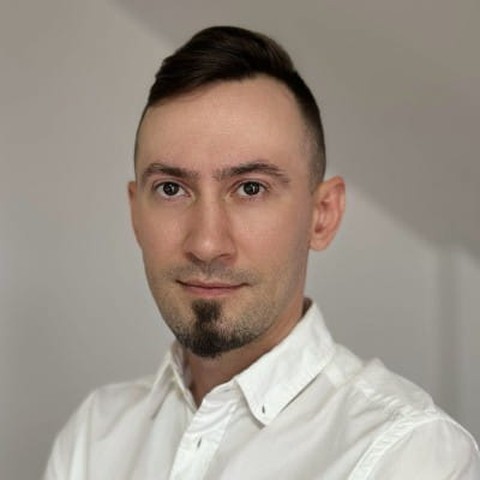
Nikita Kalachev
Founder & CEOQA engineer turned founder. 7+ years in software testing across banking, healthcare, fintech, and e-commerce — including 4.5 years at EPAM Systems testing enterprise platforms serving over a million users. Led QA teams, built test automation, and validated an AI financial assistant before realizing the same verification gap exists in every AI interaction. Created the verification method behind CrossCheck — bringing the rigor of enterprise QA to AI output reliability.

Diana Krut
Co-founder & Marketing DesignerProduct designer and entrepreneur with 10+ years of experience. From founding her own photo studio to leading design teams at SynthesTech Research Center and crafting visual strategy for iSpace (ASBIS Group), Diana brings a rare combination of creative leadership and business ownership. At Platilus, she owns the full marketing design stack — brand identity, UI/UX architecture, conversion optimization, and investor communications.